

You Don’t Need to Pay All at Once
Most hair transplant clinics hit you with sticker shock. Prices can be $8,000, $12,000, or even $30,000+, the kind of money most people don’t have on hand. It can be a down payment on a car, half a year’s rent, or it can wipe out your entire emergency fund. You’d need months or years to save it, especially juggling student loans, mortgages, or family expenses.
But here’s what clinics don’t always emphasize upfront. You don’t have to do it all at once. Small sessions change everything.
The Power of Smaller Sessions
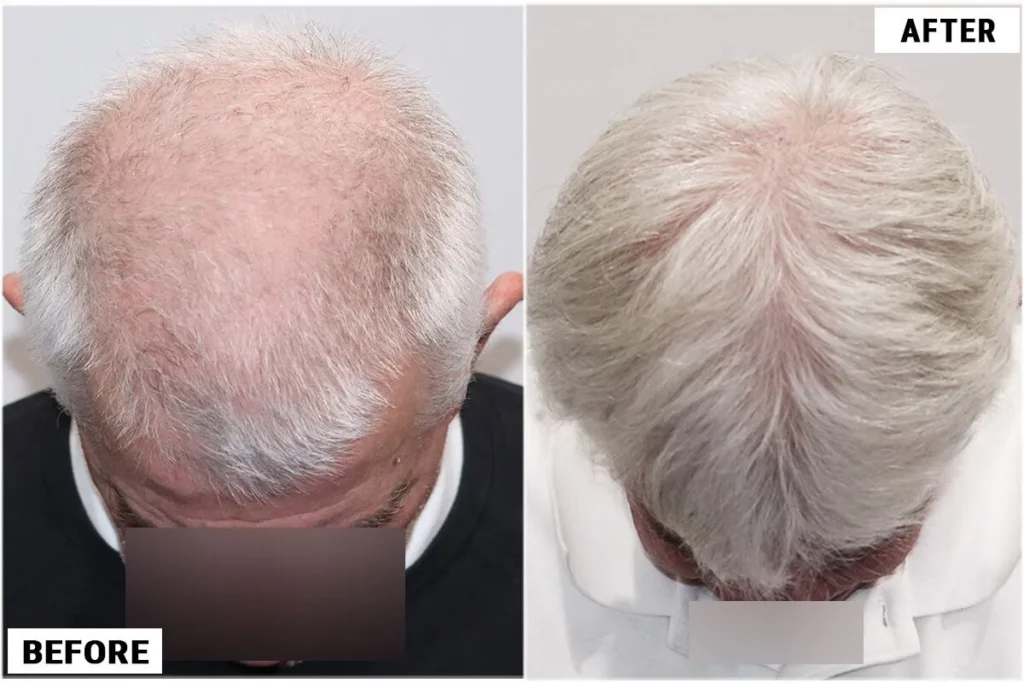
The Norwood Scale is used to classify the extent of hair loss in men suffering from male pattern hair loss. The scale includes 7 classes, with level 7 having the most extensive level of hair loss. We recently had a patient in our office presenting as a Norwood 3A. Patients diagnosed as 3A present with hair loss in the frontal hairline and vertex area.
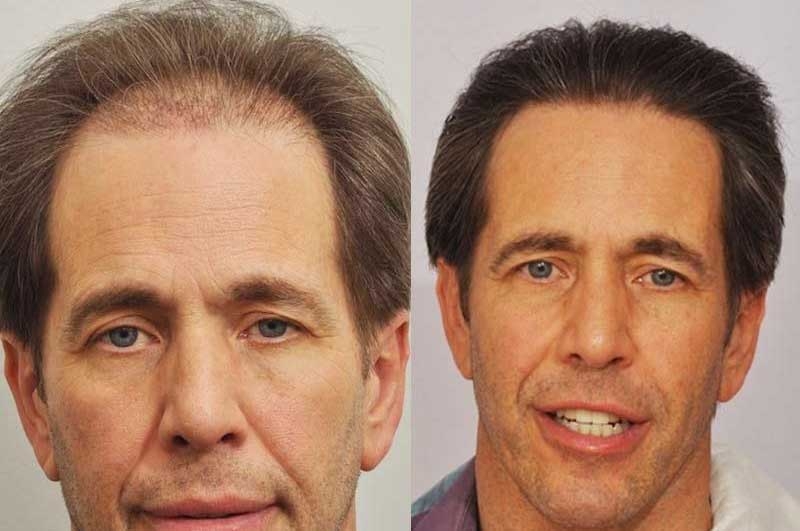
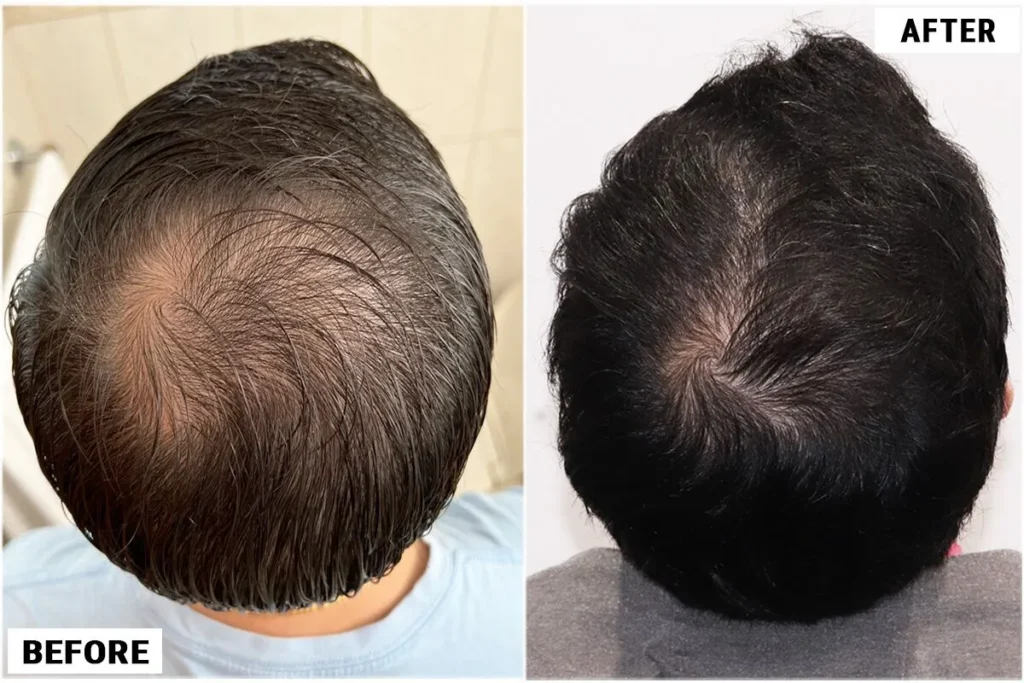
Early hair loss in the crown area can also be visible among patients in this category. This particular patient received 2701 total grafts over four procedures. Due to his personal budget, he opted to undergo multiple transplants and receive a small number of grafts each time. Many patients may find themselves in this same situation, wanting to undergo a hair transplant but unable to afford a large, expensive procedure. If that is the case, this is has proven to be a great solution. A limited budget does not mean you cannot achieve the level of coverage you desire, so you shouldn’t let your budget interfere with the results you wish to achieve.
Rather, you can still achieve your desired result a little at a time. This patient became familiar with Dr. Cole after moving to the Atlanta area a few years ago. Dr. Cole’s signature non-invasive, non-shaven CIT procedure fit his needs perfectly. He underwent 4 procedures over a 12-month period and noted that not even his hairdresser could detect he had transplant surgery. Although CIT may seem to be a bit more expensive, the cost really pays off with results like these. Additionally, no one can detect that a hair transplant was done even just 2 – 3 days after undergoing the procedure. His hair has been transformed to look the way it did when he was a 30-year-old man. Who wouldn’t want to look 20 years younger in just 1 year? These gradual results definitely paid off for our patient. If you find yourself in a similar situation, you too may want to consider several small FUE sessions to achieve a great result.
What This Really Means
Four procedures over twelve months. 2,701 grafts total.
My hairdresser didn’t notice.
Think about that. Hairdressers see your scalp up close every few weeks. They study every angle, examine your hairline during cuts. Still couldn’t tell he’d had surgery.
That’s how natural small sessions look when done right.
When Small Sessions Make Perfect Sense
Budget Flexibility
Saving twelve thousand dollars takes time. Maybe a year. Maybe two.
You have student loans, a mortgage and kids who need braces.
But three thousand every six months? Most people can manage that. You budget for it like any planned expense. Small sessions turn impossible into doable.
Privacy Matters
Some jobs don’t mix well with obvious cosmetic work.
Teachers can’t disappear for weeks with a shaved head. Neither can lawyers meeting clients daily. Sales professionals depend on their appearance.
Small sessions with no-shave techniques stay undetected. Your transformation happens gradually enough that no one makes the connection. They think you’re aging well, using good products, taking care of yourself.
Testing the Waters
First hair transplant? You’re probably nervous.
What if it’s more painful than you expected? What if results disappoint?
The first 600 grafts let you evaluate the surgeon’s skill, the clinic’s standards, and your tolerance for the process. If results disappoint, you’d lose $3,000 rather than $15,000.
Early Hair Loss
Norwood 2 or 3? You probably need 1,500 to 2,000 grafts total. Splitting that into two or three sessions makes more sense than one medium procedure. Your hairline improves in stages. You save donor grafts for possible future needs. And if your loss stabilizes, you haven’t over-committed.
When Large Sessions Work Better
Let’s be honest. Small sessions aren’t always optimal.
Speed Matters
Need 4,000 grafts and you’ve got the cash? One large session finishes faster.
Twelve months from start to results beats thirty months every time. Some clinics discount volume too. A 3,000‑graft session costs $12,000 at $4 per graft. Three 1,000‑graft sessions at $5 per graft total $15,000. You’re paying extra for the payment plan.
Advanced Hair Loss
Patients with Norwood 6 or 7 typically require about 4,500–5,500 grafts for adequate coverage. Breaking that into six sessions is tiring. Too many procedures, recovery periods, life disruptions. One or two mega-sessions make more practical sense.
Patience Isn’t Your Thing
Small sessions demand commitment to a long timeline.
Want instant gratification? This isn’t your path. You’re looking at eighteen to thirty months before complete results.
Some people find waiting difficult. No judgment. Know yourself.
Planning Your Strategy
Finding the Right Surgeon
Not every clinic understands multi-session approaches.
You need a specialist who works with patients through multiple smaller procedures and can develop a staged plan toward complete results.
Look for FUE specialists. Check ISHRS credentials. Read reviews by patients who had more than one treatment session.
Ask how many patients they treat with small sessions; if the clinician seems unsure or resists, consider interviewing other providers. Their answer tells you everything. Confusion or pushback? Keep searching.
Getting Numbers on Paper
Your consultation should produce a detailed written plan. How many total grafts based on your Norwood stage? How would they split those across sessions? Which areas first? What timeline between procedures? No written plan? That’s a red flag.
You need specifics, not vague promises.
Calculate True Costs
Don’t just multiply grafts times the per-graft rate.
Calculate the actual cost by multiplying the number of grafts by the per‑graft rate, add the other itemized costs, and compare that total to the price of a single large session. Include: surgical costs per session; consultation fees; post‑op medications; follow‑ups; travel (if needed); and time off work × number of sessions.
Make sure the premium actually makes sense for your situation.
Build in Flexibility
Life happens. Jobs disappear. Emergencies drain savings.
You may feel satisfied after the second session. Choose clinics that do not require payment for all sessions in advance. You want options to pause, adjust, or stop if circumstances change.
Why FUE Works Best
FUE vs FUT
Why FUE works best: unlike FUT, which removes a strip of donor scalp tissue, FUE extracts individual follicles using tiny punches.
Each session creates a linear scar. Stack three or four vertically? Serious visible scarring.
FUE extracts individual follicles using tiny punches. Each leaves a dot smaller than a freckle. Multiple FUE sessions just add scattered dots across your donor area. Even five sessions leave scarring virtually invisible. Planning three or more procedures? FUE is really your only choice.
CIT Refines the Process
Dr. Cole developed CIT to improve standard FUE further. Smaller instruments, more precision, less trauma per graft. Result? Graft survival above 97% compared to 85-92% with regular FUE. That difference matters hugely over multiple sessions. Every graft that dies is money wasted.
No-Shave Procedures
Standard FUE requires shaving your entire donor area.
You leave looking like you joined the military. Not subtle.
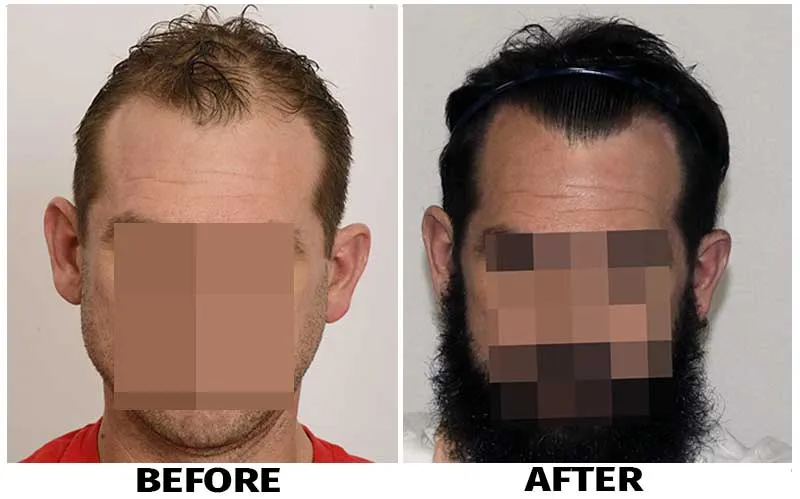
Patients who need to keep their treatment under wraps may avail of the no‑shave options at CIT. Dr. Cole’s team extracts and transplants without shaving beyond tiny spots your hair covers. Two days later? No one can tell you had surgery—not your spouse, coworkers, or barber. Split sessions over twenty-four months are entirely doable for people in public-facing jobs.
The Growth Timeline
Months One Through Three
You’ll experience shock loss. Transplanted hairs fall out.
First-timers often panic; that’s normal and expected.
Follicles remain beneath the scalp, undergoing a reset before new growth. Your native hair might shed temporarily around transplants too. Also normal. This phase tests patience. You look the same or possibly worse.
Months Four Through Six
Growth starts. Finally.
Thin, wispy hairs emerge from transplanted follicles. Light colored, kind of pathetic initially. But they thicken and darken over coming months. Patchiness evens out. Did you combine your transplant with CRP or adipose stem cells? You might see 70 to 80% growth by the four‑month point. Way faster than typical.
Months Six Through Twelve
Real coverage becomes visible; your new hair blends with your existing hair, and you can style and cut it normally. At about six to eight months, book a second consultation. The surgeon evaluates progress and adjusts plans if needed. By month twelve the first session shows 80 to 90 percent of the final result, which is enough to decide whether you want additional density.
The Complete Timeline
Each subsequent session follows the same pattern.
If you have three sessions spread over eighteen months, you finish your final procedure around the sixteenth month, then wait twelve months for that session to reach full maturity. So it’s twenty-eight to thirty months from your initial procedure to achieving the complete result.
Long journey. But worth it if you’ve chosen this path intentionally.
Maximizing Results
Protect Your Investment
You’re spending thousands on new hair.
Don’t let existing hair keep thinning. That’s dumb.
Finasteride blocks DHT, the hormone causing male pattern baldness, costs about $50 per month, and stops further loss in roughly 85% of men. Minoxidil stimulates growth and slows thinning. Thirty dollars per month, available over the counter. Getting transplants but ignoring maintenance? You’re fighting a losing battle.
Regenerative Treatments
PRP helps, but CRP takes it further.
Dr. Cole’s concentrated formulation can help stimulate healing and may improve outcomes. Many patients show improvement months earlier than standard timelines. ACell can help stimulate healing and follicle regeneration. Adipose stem cells represent cutting-edge treatment, harvested from your own fat. These treatments are not inexpensive, but if you’re already investing thousands, a few hundred more for better outcomes might make sense.
Follow Instructions
Every surgeon provides detailed aftercare instructions.
Sleep elevated. Skip exercise. Don’t smoke. Use special shampoo. Take antibiotics.
These aren’t suggestions. They’re requirements for maximizing survival. Patients who cheat on rules almost always see worse results. The trade-off is reduced graft survival, increased complications, and higher overall cost.
Who Should Choose Small Sessions
You’re budget-conscious but employed with stable income. You can manage two installments of $3,000–$4,000 instead of one $12,000 upfront. Your hair loss is early to moderate (Norwood 2-4), needing 1,500 to 3,000 total grafts. Privacy matters for work or personal reasons. You’re under 35 and hair loss may continue. You may want to try a smaller procedure before fully committing.
Who Probably Shouldn’t Consider This
Your hair loss is advanced (Norwood 6-7), needing 4,000+ grafts. You are extremely impatient and cannot wait thirty months. You’ve got budget for a large session and time off work. Your donor region contains about 2,500 harvestable grafts total. You have a history of missed appointments and inconsistent aftercare.
Making Your Decision
Small sessions can be effective for suitable patients in the right situations. They give you control instead of forcing an all-or-nothing commitment and pace the restoration so changes are gradual and natural‑looking. However, they require extra time and planning. Take longer, sometimes cost more total, require patience and planning.
The patient had a limited budget, privacy needs, and access to CIT, which enabled no‑shave procedures. Depending on your budget, hair density and privacy needs, a large single session or multiple smaller ones may be better. Your situation might differ. Maybe large sessions make more sense. Maybe a hybrid approach works best.
Key is understanding options clearly before committing. Talk to surgeons who regularly do multi-session work. Get written plans. Calculate true costs. Think honestly about your patience level.
And don’t let budget anxiety stop you. If small sessions make restoration financially possible, that’s perfectly valid. You’ll get there. Just takes a bit longer.
Quick Takeaways
- Small sessions (500-1,200 grafts) spread costs across 12-30 months instead of requiring massive upfront payment
- Best for early loss (Norwood 2-4), privacy-focused patients, or anyone testing before full commitment
- Large sessions faster and sometimes cheaper for advanced loss (Norwood 6-7) needing 4,000+ grafts
- FUE works better than FUT for multiple sessions because dot scars beat stacked linear scars
- CIT delivers 97%+ survival versus 85-92% industry average for standard FUE
- No-shave procedures keep restoration completely private between sessions
- Expect 18-30 months total from first session to final results across all procedures
- Combine with finasteride and minoxidil to protect existing hair while transplants mature
- Regenerative treatments like CRP can accelerate growth to 70-80% by month four
- Total cost often runs higher than single large sessions due to multiple procedure fees
Frequently Asked Questions
Can I get good density with small sessions or will hair look thin?
Most people notice initial improvements within 30 days – less shedding, healthier scalp feel, and better hair texture. Significant growth changes typically occur between months 2-4. The full benefits of extended anagen phase and DHT blocking can take 4-6 months to become fully apparent.
How long should I wait between sessions?
The initial session provides 40–50 FU/cm²; subsequent sessions build to 60–70 FU/cm², producing a full, natural result. Patients who complete their entire series achieve the same density as single large sessions, just over a longer timeline.
Will switching to natural shampoo make my hair greasy?
Surgeons usually advise waiting 6–12 months. Allow 60–70% growth and a full recovery period before the next session; scheduling sessions too close together prevents you from assessing progress and gives the donor area insufficient time to recover. Some patients extend gaps to eighteen months for budget reasons. This approach works well.
What should I do if I run out of funds midway through treatment?
Choose clinics that don’t require prepayment for all sessions. If you complete two of four planned sessions then need to pause, you’ll have decent partial coverage from what’s done. Many patients choose to stop once they notice meaningful improvement toward their goals. Benefits from completed sessions are usually maintained regardless of whether you continue.
Will others notice changes between sessions?
Not with no-shave CIT procedures. Growth begins at month four and finishes over twelve months, so people just think you’re maintaining well. Coworkers might notice you look healthier or younger but won’t connect it to surgery. Our case study patient noted even his hairdresser didn’t detect the transplant. Hairdressers see your scalp up close constantly.
Does insurance cover small session transplants?
No. Health insurance considers all hair transplants cosmetic and won’t cover them. One session or five doesn’t matter. However, several clinics offer financing through medical credit companies such as CareCredit, which often carry promotional interest rates; some also run in-house payment plans. You might use Health Savings Account (HSA) or Flexible Spending Account (FSA) funds if your employer offers those accounts. Confirm payment and benefit rules with your clinic before booking.
Have you been putting off restoration because of cost? Mini sessions might be exactly what you need to take that next step. Feel free to comment about your situation or tag someone who’s on the fence about getting started. We answer real questions about making transplants work for real budgets.