


By the time someone contacts us, they’ve often been thinking about a hair transplant for months, sometimes years. They arrive with a long list of questions (plus a few worries they haven’t said out loud yet).
So what is the hair transplant experience actually like at Forhair? Below, we start at the first phone call or video chat and finish a year or so later, once your new hair has grown in, with nothing glossed over along the way.
Your Journey at a Glance
Start With a Conversation
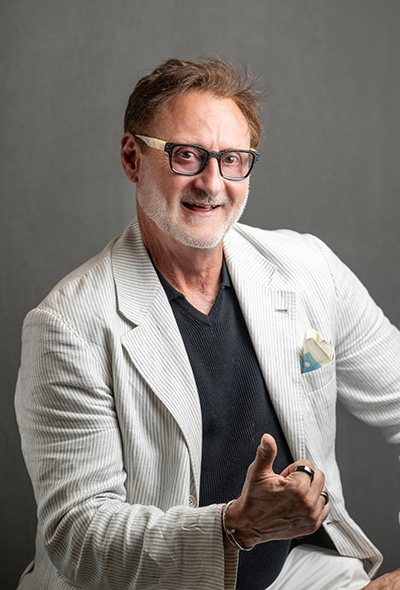
Book a free consultation with Dr. John P. Cole, M.D., in person or by video, and find out what’s realistic for your hair.
Your First Hair Transplant Consultation
You can meet us in person in Atlanta or New York, or talk to us by video from home. Either way, the consultation is led by Dr. Cole, and you won’t be passed to a salesperson.
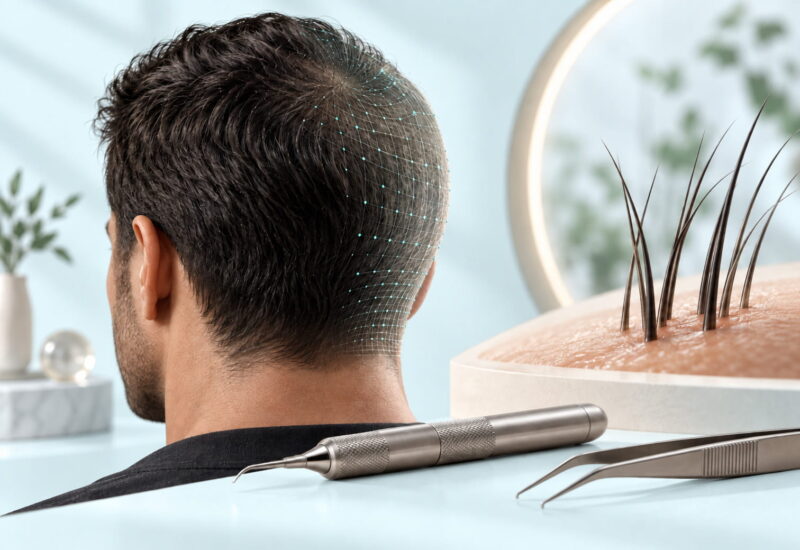
Expect him to look closely at two things. One is your hair loss, including how far it has progressed and whether it’s likely to keep going. The other is your donor area, the hair at the back and sides of the scalp that supplies the grafts. Everything else in the plan depends on how much that area can safely give.
He’ll also ask about your health and how long you’ve been losing hair. Some patients find that part unexpected. It matters, though, because not every kind of thinning responds to a transplant.
What happens next varies. You might leave with a clear plan and a rough graft estimate. You might also hear that a smaller procedure makes more sense, or that medical treatment should come first.
Occasionally, the answer is not to have surgery at all. We’d rather tell you that now than have you find out the hard way.
Getting Ready for Your Consultation
If you’ve had a previous transplant, bring any records from that clinic, including the number of grafts used, since that affects how much donor hair is left to work with.
It also helps to note down the hair loss treatments you’ve already tried, and for how long. Then write your questions down before the call. Nerves make it easy to forget half of what you meant to ask, and there’s no such thing as a silly question here.
If you’d like a rough number before you talk to us, our graft calculator gives a starting estimate. Just bear in mind that only an examination can confirm it.
Planning Your Procedure
Once you decide to go ahead, the plan becomes more specific. Dr. Cole designs the hairline with you, taking into account your age and how your loss is likely to progress. He also maps out where the grafts will come from, so the donor area still looks natural afterward.
You’ll also choose a technique. The usual choice is CIT®, Dr. Cole’s refined version of FUE. If shaving your head isn’t practical for work or personal reasons, C2G offers a no-shave option. Some patients add non-surgical treatments to support growth or protect the hair they still have.
Before surgery, you’ll get written instructions on which medications to pause and how to prepare your scalp. Questions come up at this stage too. Ask them. Our team would much rather answer a call than have you guess.
The Hair Transplant Experience on Surgery Day
A lot of nervousness about surgery comes from not knowing what the day involves, so here’s the general shape of it.
You’ll arrive in the morning and go over the plan with Dr. Cole one more time, with the hairline marked out so you can see it in the mirror.
After that, the donor and recipient areas are numbed with local anesthetic. General anesthesia isn’t used for hair transplants at Forhair; it’s rarely needed for this kind of surgery anywhere. The injections are the part you’ll notice. Once the area is numb, you should feel pressure rather than pain.
Dr. Cole performs the graft extractions himself and creates the recipient sites, which decide the angle and direction of every new hair. His team assists with preparing and placing the grafts under his supervision.
How long does it take? That depends mainly on the number of grafts, but plan on most of the day. There are breaks to eat and stretch, and you’re welcome to watch something during the quieter stretches.
By the end of the day, you’ll go home (or back to your hotel) with aftercare instructions and a number to call.
The First Two Weeks
People worry about recovery more than anything else. In reality, it’s the easiest part for a lot of patients.
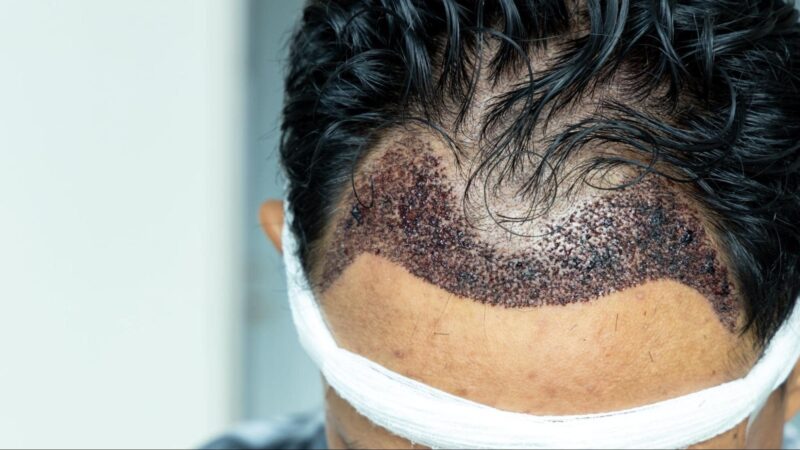
Expect some swelling and tenderness for the first few days. Small scabs form around the grafts, and redness tends to settle within one to two weeks. Returning to desk work after two or three days is common. For the gym and heavy exercise, wait around ten days.
You’ll have clear instructions on how to sleep and when to wash your hair. Should anything look or feel wrong, call us. Nobody on our team will think you’re overreacting.
Months One to Twelve, and Beyond
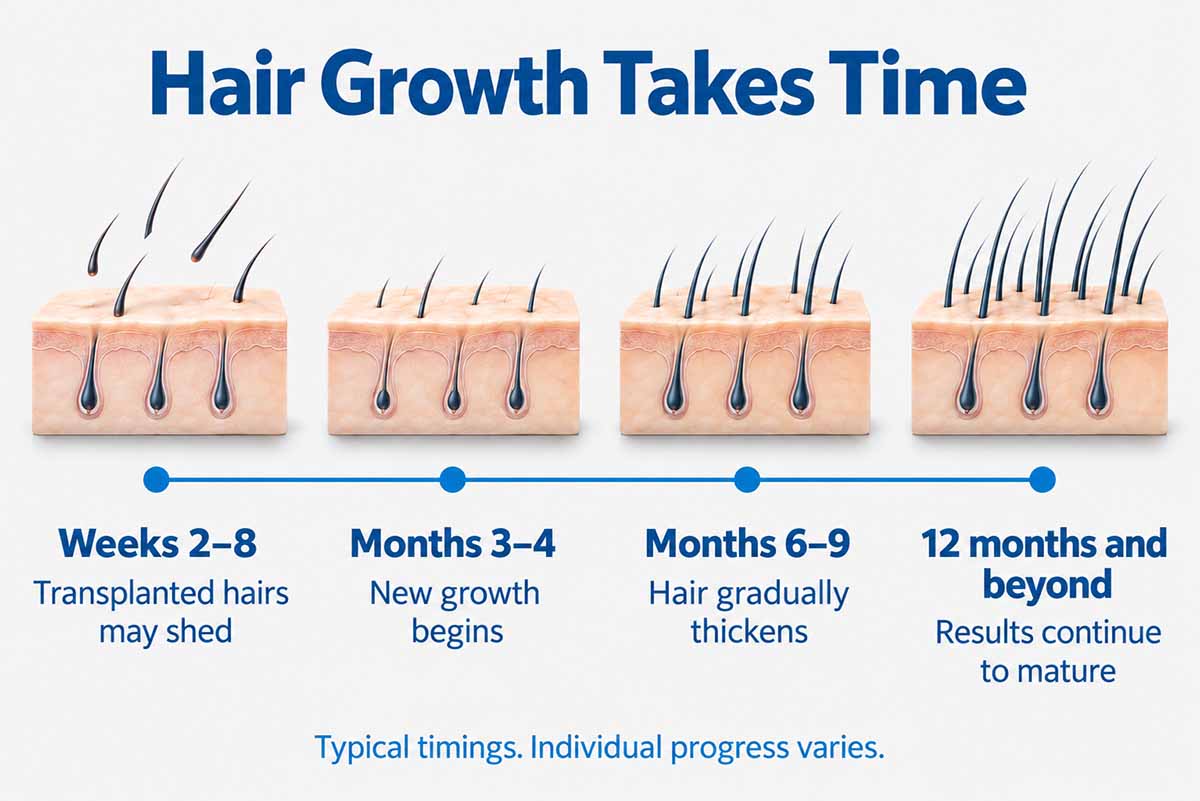
Here’s where patience comes in. Between roughly weeks two and eight, many of the transplanted hairs shed. That’s normal shock loss, and the follicles stay in place underneath.
Our guide to hair growth after a transplant explains each stage in detail.
New growth tends to show at around three to four months, then thickens over the following months. By twelve months, the result is close to mature, though it can keep improving for a while after that. Texture can change during this period too. New hair may start out fine before it settles.
We keep in touch throughout. Progress photos help us track your growth, and they help you see change that’s easy to miss in the mirror every day.
Months three to six can be the hardest stretch emotionally. The early growth is real but thin, and it’s natural to wonder whether it’s working. It’s the point when we hear from patients the most, and we’re glad when they call. Comparing photos side by side tells a far more reassuring story than a single glance in a bathroom mirror.
Looking After Your Hair Long Term
A transplant moves hair to where you need it. What it doesn’t do is stop the hair you were born with from thinning, and that’s easy to forget once the new growth comes in.
Because of that, Dr. Cole will talk to you about protecting your native hair before surgery and after it. For some patients that means medication. Others prefer a non-surgical route such as CRP. Years down the line, some people decide on a second procedure, and a donor area that was carefully managed the first time makes that possible.
What Good Bedside Manner Means to Us
People tend to equate bedside manner with being friendly. Friendliness helps, but for us it’s mostly about honesty and time.
That means explaining what we’re doing and why, in plain language, on surgery day. It also means telling you when expectations need adjusting, even if that’s not what you want to hear. And when a patient calls at month four, worried that nothing is happening, it means taking that call seriously rather than reading from a script.
Patients mention this in their patient reviews mention exactly this. Our before and after photos show where the journey can lead, although individual results vary.
If you’re ready to start:
Frequently Asked Questions
What happens during a hair transplant consultation at Forhair?
Dr. Cole looks at your hair loss and your donor area, then asks about your health and history. After that, you’ll discuss what’s realistic. That may be a procedure plan or a recommendation to start with medical treatment.
Does a hair transplant hurt?
The local anesthetic injections at the start cause the main discomfort. Once the area is numb, you should feel pressure rather than pain, and tenderness afterward settles within a few days.
How soon can I go back to work?
You can return to desk work after two or three days if you’re feeling up to it. Strenuous exercise should wait around ten days.
When will I see results?
You can return to desk work after two or three days if you’re feeling up to it. Strenuous exercise should wait around ten days.
Can I book a consultation if I’ve had a transplant elsewhere?
Yes. A large part of Dr. Cole’s work involves patients whose first procedure was done at another clinic. Bring any records you have, and he’ll go over what’s possible with the remaining donor hair.