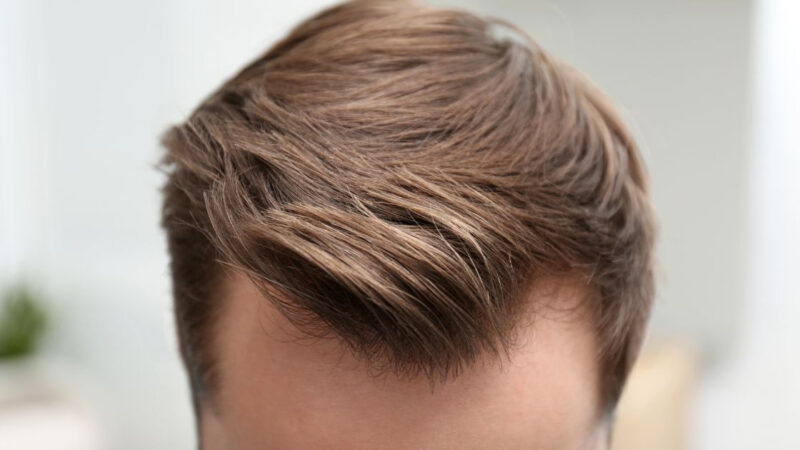



If you are noticing more hair in the shower or on your brush while taking Ozempic, it can be unsettling. Most people who experience shedding in this setting are dealing with a pattern that is common, explainable, and often temporary.
This guide walks you through what the evidence shows, what typical Ozempic-related shedding looks like, how long it can last, and what steps are worth discussing with your clinician.
Key Takeaways
- Hair loss is not listed as a common adverse reaction for Ozempic in the U.S. prescribing information.
- Some people notice shedding while taking Ozempic, but it is often linked to the weight loss process, not a direct medication effect.
- The most typical pattern is diffuse shedding (overall thinning) rather than patches or bald spots.
- Do not stop Ozempic without your prescriber’s guidance. Medication decisions should be made with the clinician managing your care.
- A practical plan usually focuses on stabilizing nutrition, checking labs, and ruling out other causes, rather than guessing with supplements.
Does Ozempic Cause Hair Loss?
The Short Answer
Ozempic is not strongly linked to hair loss as a direct side effect in U.S. labeling, but hair shedding can happen indirectly when weight loss is rapid or nutrition becomes inconsistent.1
Why People Notice Shedding While Taking Ozempic
It helps to separate correlation from causation.
Many people start Ozempic during a period of major change: weight loss, appetite shifts, new routines, sometimes changes in sleep, stress, or other medications. Hair, unfortunately, is sensitive to all of it.
Common overlapping triggers include:
- Calorie deficit and rapid weight change
- Lower protein intake because appetite is reduced
- Iron deficiency or other micronutrient gaps
- Physical stress (illness, surgery, inflammation)
- Psychological stress and sleep disruption
- Pre-existing pattern hair loss becoming easier to notice as density changes
So while the timeline may line up with Ozempic, the underlying “why” is often the broader metabolic and nutritional shift happening alongside it.
What the Evidence and Medication Information Show
What Ozempic Studies and Labeling Report
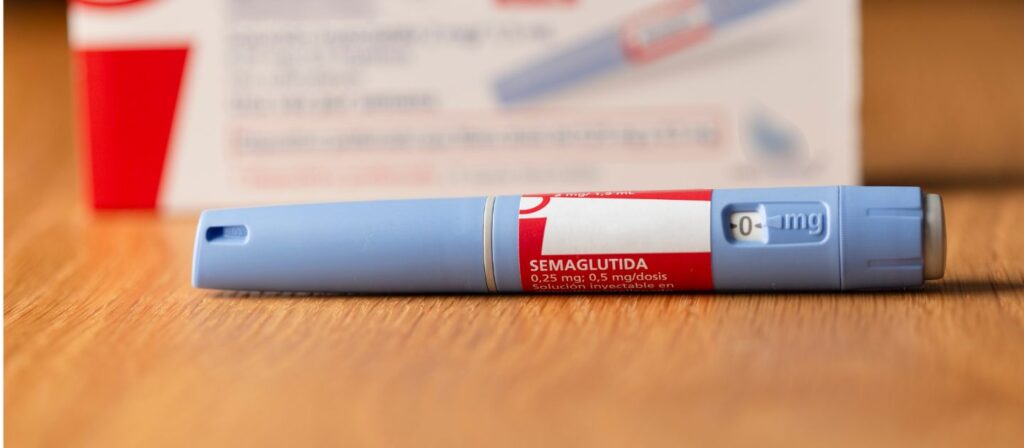
In the current U.S. prescribing information for Ozempic (semaglutide), the most common adverse reactions are gastrointestinal (nausea, vomiting, diarrhea, abdominal pain, constipation). Hair loss is not listed as a common adverse reaction in the label’s common side effect summary.2
That does not mean nobody reports shedding while taking Ozempic. It means that, based on available trial and labeling data, hair loss is not established as a frequent direct medication effect for Ozempic.
| A quick safety note Ozempic has important warnings and precautions in its labeling. If you have medication safety questions, the most appropriate next step is a conversation with your prescribing clinician or pharmacist. |
What Related GLP-1 Medications Report
When we look at semaglutide used for chronic weight management (Wegovy), some product information documents hair loss at a low incidence in trials, with higher reporting among people who lost more weight.
Wegovy, which uses semaglutide for chronic weight management, reports alopecia (hair loss) in its product labeling at low rates from clinical trials, often around 3-5% across doses, compared to about 1% in placebo groups.3
Tirzepatide (Zepbound/Mounjaro) lists alopecia similarly, with trial data showing 4.9-5.3% rates versus 0.9% placebo, linked to rapid weight reduction.3
That pattern supports what we see clinically: when hair shedding happens alongside GLP-1 therapy, it often tracks more closely with the degree and speed of weight loss, rather than a simple “drug causes hair loss” relationship.
| Medication | Trial Alopecia Rate | Weight Loss Link | Notes |
| Wegovy (semaglutide) | 3-5% | Higher in rapid losers | Label includes it |
| Zepbound (tirzepatide) | 5% | Dose-dependent | Vs. 1% placebo |
| Ozempic (semaglutide) | Not listed | Anecdotal | Off-label weight use |
Why Weight Loss Can Trigger Hair Shedding
Telogen Effluvium
The most common explanation for sudden, overall shedding after a major change is telogen effluvium.
Telogen effluvium is a temporary shift in the hair cycle where more hairs than usual move into the resting phase (telogen) and then shed. It can happen after a “shock” to the system, including illness, surgery, major stress, and rapid weight loss.4
What it can look like:
- More hair coming out when washing
- More hair on your pillow or clothes
- A thinner ponytail
- Overall reduced density, without clear bald spots
The Most Common Triggers During GLP-1 Weight Loss
When appetite is suppressed, it becomes easier to unintentionally under-eat, especially on higher-nausea days or during dose changes. Over time, a few patterns can raise shedding risk:
- Rapid weight loss or a large calorie deficit
- Lower protein intake (hair is not “essential” for survival, so the body may redirect resources)
- Iron deficiency and other micronutrient gaps (sometimes pre-existing, sometimes unmasked by reduced intake)
- Physical stress on the body, including intercurrent illness
- Sleep disruption and psychological stress
There is emerging research exploring whether GLP-1 medications may be associated with hair loss patterns in some people, but the data is still developing and not definitive.

How Long It Usually Lasts
With telogen effluvium, there is often a delay between the trigger and the shedding. Telogen effluvium typically lasts 3-6 months for the acute shedding phase, with full recovery in 6-12 months after the trigger resolves.5
Shedding starts 2-3 months (6-12 weeks) after a trigger like rapid weight loss from GLP-1 drugs, peaks for 2-4 months, then slows as new anagen hairs emerge.5
It is reasonable to expect improvement over time, but it is also reasonable to get checked if shedding is persistent, worsening, or distressing.
What Ozempic-Related Shedding Looks Like
Common Signs People Notice
When shedding is related to weight loss and telogen effluvium, the most common features are:
- Diffuse shedding (hair fall from all over the scalp)
- Overall thinning rather than patches
- More shedding than you are used to, especially with washing or brushing
- Scalp typically looks normal (no significant redness, scale, or pain)
Signs It Might Be Something Else
Consider a professional evaluation sooner if you notice:
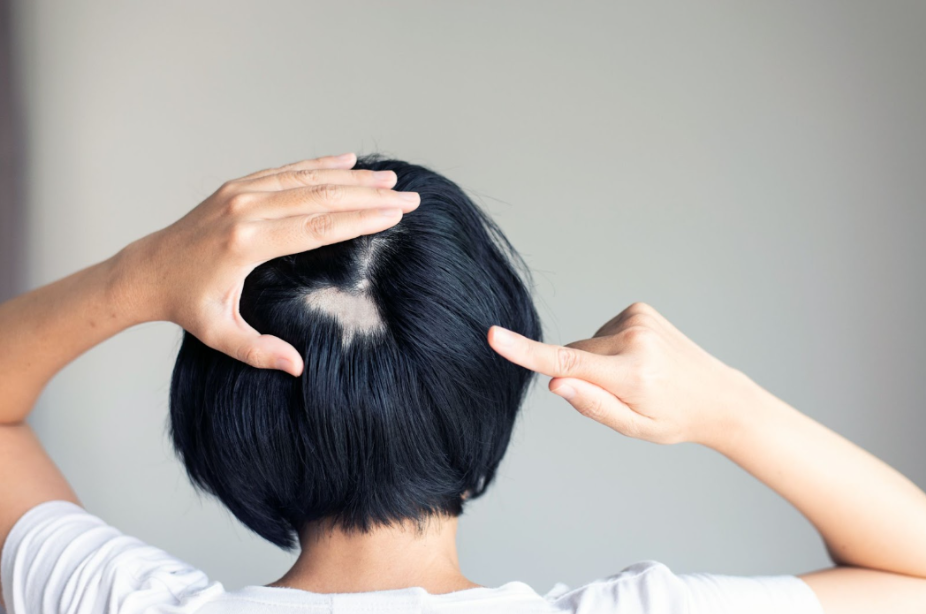
- Patchy hair loss or sharply defined bald spots
- Burning, itching, scaling, tenderness, or pain on the scalp
- A sudden widening part with signs of miniaturization (can suggest pattern hair loss)
- Hair loss plus systemic symptoms like fatigue, cold intolerance, heavy periods, or other changes that raise concern for thyroid issues, iron deficiency, or broader health conditions
What to Do if You Notice Hair Loss on Ozempic
Do Not Stop Medication Without Medical Guidance
If you are concerned about shedding, the safest next step is to contact the clinician who prescribed Ozempic. They can help you weigh benefits, side effects, and alternatives based on your health goals and medical history.
Stopping or changing medication without guidance can create avoidable risk, especially for people using Ozempic for blood sugar control or cardiovascular risk reduction.
Ask About Basic Lab Work
If shedding is noticeable, it is often worth discussing a basic set of labs to rule out common contributors, rather than guessing.
Common checks to discuss with your clinician include:
- CBC (screens for anemia)
- Ferritin and iron studies
- TSH (thyroid screening)
- Vitamin D
- Vitamin B12
Zinc is sometimes considered, but usually only if there is a clinical reason to suspect deficiency. The point is targeted correction, not supplement stacking.
Gentle Hair Care While Shedding
During an active shed, the goal is to reduce breakage and avoid extra traction:
- Loosen tight styles (ponytails, braids, extensions)
- Minimize high heat and harsh chemical treatments
- Use gentle detangling and avoid aggressive brushing when wet
- If you color your hair, consider spacing treatments out during peak shedding
This will not “stop” telogen effluvium, but it can reduce unnecessary breakage that makes the situation look worse.
Treatment Options a Clinician May Discuss
Topical Minoxidil
Topical minoxidil is a medication used for certain hair loss patterns. In some cases, it may be discussed to support density, especially when there is underlying pattern hair loss in the background.
Minoxidil does not “flip a switch” overnight, even when it is working. Hair grows slowly, and follicles need time to cycle into a new growth phase.
What that means in real life is that many people need at least 2–4 months before they notice early changes, and some need longer. OTC labeling for 5% minoxidil notes results may appear as early as 2 months, but for some people it may take at least 4 months.6
Finasteride (Typically for Male Pattern Hair Loss)
Finasteride is generally discussed when a clinician sees signs of androgenetic alopecia (pattern hair loss), not when shedding is purely telogen effluvium. That matters because telogen effluvium often improves by addressing the trigger, while pattern hair loss usually needs longer-term management.
| Want to Learn More About Finasteride? |
|---|
| Finasteride can be taken in different forms, and the right choice depends on your diagnosis, goals, and tolerance for side effects. If you want a clearer breakdown of how topical vs. oral finasteride compare, including common pros, cons, and safety considerations, read our guide: Topical Finasteride vs. Oral Finasteride. |
Correcting Deficiencies and Supporting Telogen Effluvium Recovery
If the primary issue is telogen effluvium from rapid weight loss or nutritional strain, the most evidence-aligned approach is addressing the trigger and giving the cycle time to normalize.
Instead of broad supplement stacks, clinicians often prefer targeted correction when labs confirm a deficiency (for example, iron status, thyroid markers, vitamin D, B12). This keeps the plan evidence-led and reduces the risk of unnecessary or excessive supplementation.
When to See a Dermatologist or Hair Specialist
When Shedding Is Not Improving
Consider an evaluation if:
- Shedding is ongoing beyond about 6 months
- It is worsening rather than stabilizing
It is causing significant distress, or you are seeing visible density changes that are not recovering
How ForHair Evaluates Hair Loss Concerns
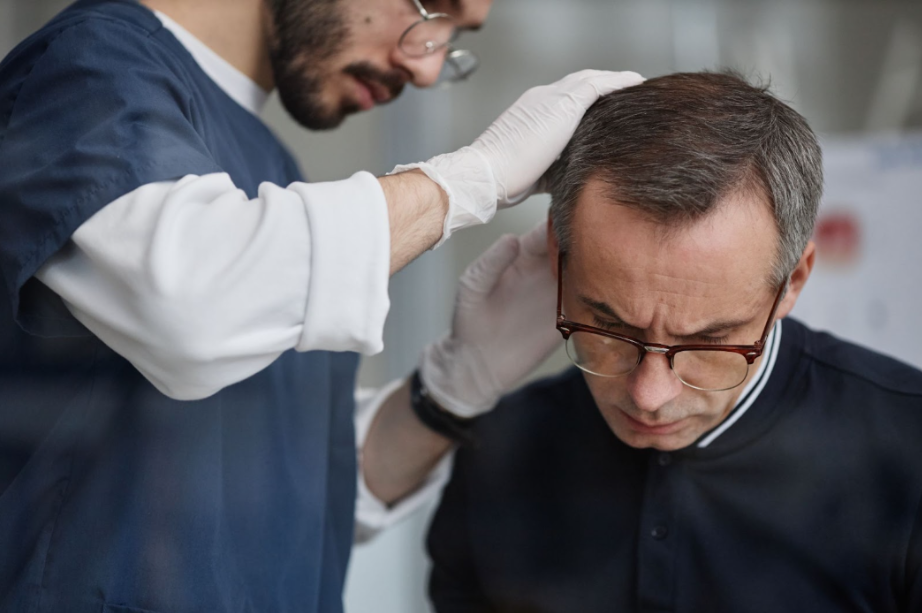
A hair loss evaluation is usually straightforward and focused on:
- Your health history and timeline (including weight loss pace and appetite changes)
- Pattern of loss (diffuse shedding vs patterned thinning vs patchy loss)
- Scalp and hair exam, and trichoscopy when helpful
- Lab work when indicated to rule out common deficiencies and medical contributors
Next Steps: Get Clarity and a Plan
If you are noticing hair shedding while taking Ozempic, try to remember that you are not alone, and you are not “doing something wrong.” In many cases, this kind of shedding is tied to the stress of rapid weight loss, reduced intake, or correctable deficiencies, and it improves once the underlying triggers are addressed.
If your shedding is persistent, worsening, or comes with patchy loss or scalp symptoms, a professional evaluation can help clarify what is really driving it.
At ForHair, we can assess your pattern of loss, review relevant labs, and coordinate with your prescribing clinician when medication questions come up, so you have a clear plan that supports both your hair and your overall health.
Frequently Asked Questions
Does Ozempic Directly Cause Hair Loss?
Ozempic is not strongly linked to hair loss as a common direct side effect in U.S. prescribing information. More often, shedding is related to weight loss triggers like calorie deficit, stress, and nutrient gaps.
How Soon Can Hair Loss Start After Ozempic?
With telogen effluvium, shedding often begins weeks to a few months after the trigger (for example, rapid weight loss or significant intake changes).
Will My Hair Grow Back After Telogen Effluvium?
Telogen effluvium is often temporary, and regrowth commonly occurs gradually once the trigger is addressed. If shedding continues beyond several months, it is worth checking for ongoing triggers or another diagnosis.
Should I Stop Ozempic if I’m Shedding?
Do not stop Ozempic without guidance from your prescriber. If shedding is significant, talk with your clinician about your weight loss pace, nutrition, and whether lab work or plan adjustments make sense.
What Should I Eat to Reduce Shedding During Weight Loss?
Focus on consistency: adequate protein, enough overall calories, and a nutrient-dense pattern you can sustain even on low appetite days. If you need targets, a clinician or dietitian can tailor them to you.
Can Ozempic Uncover Genetic Hair Loss?
Yes, it can. Some people have early pattern hair loss that becomes more noticeable when they experience a period of telogen effluvium or overall density shift. That is why a diagnosis-first evaluation can be helpful.
Does Wegovy Cause Hair Loss More Than Ozempic?
Some semaglutide weight management trial data and product information report hair loss at low incidence, with higher reporting in people who lose more weight. The bigger factor often appears to be the magnitude and pace of weight loss.
When Should I See a Doctor?
Consider evaluation if shedding is patchy, comes with scalp symptoms, is paired with fatigue or other systemic symptoms, or lasts longer than about 6 months without improvement.
References:
- Haykal D. Alopecia and Semaglutide: Connecting the Dots for Patient Safety. J Cosmet Dermatol. 2025 Mar;24(3):e70125. doi: 10.1111/jocd.70125. PMID: 40087997; PMCID: PMC11909624.
- OZEMPIC®, Novo Nordisk Inc, 2025 https://www.novo-pi.com/ozempic.pdf
- Alsuwailem OA, Alanazi R, Almutairi HM, Asiree RH, Almutairi W, Almutairi TM, Zamandar A, Alkhames S. Hair Loss Associated With Glucagon-Like Peptide-1 (GLP-1) Receptor Agonist Use: A Systematic Review. Cureus. 2025 Sep 16;17(9):e92454. doi: 10.7759/cureus.92454. PMID: 41111833; PMCID: PMC12530271.
- Hughes EC, Syed HA, Saleh D. Telogen Effluvium. [Updated 2024 May 1]. In: StatPearls [Internet]. Treasure Island (FL): StatPearls Publishing; 2025 Jan-. Available from: https://www.ncbi.nlm.nih.gov/books/NBK430848/
- “Telogen Effluvium: Symptoms, Treatment, and Recovery.” Www.medicalnewstoday.com, 23 Apr. 2018, www.medicalnewstoday.com/articles/321590.
- ROGAINE®, Kenvue, 2015 https://www.accessdata.fda.gov/drugsatfda_docs/label/2015/020834Orig1s014lbl.pdf
Medical Disclaimer
This article is for general educational purposes only and is not a substitute for professional medical advice, diagnosis, or treatment. Hair shedding and hair loss can have many causes, and the right evaluation depends on your medical history, medications, and individual risk factors.
Do not start, stop, or change any prescription medication, including Ozempic (semaglutide), without guidance from your prescribing clinician. If you are experiencing significant or worsening hair loss, patchy hair loss, scalp pain, redness, scaling, or symptoms such as fatigue, dizziness, cold intolerance, or unusual bleeding, seek medical care promptly.
Any discussion of treatments (including topical minoxidil, finasteride, or dutasteride) is provided for informational purposes only and does not imply that these treatments are appropriate for everyone. Some options may have contraindications, require clinician supervision, and may cause side effects. Finasteride and dutasteride require special caution for women who are pregnant or may become pregnant.
If you have urgent symptoms, call local emergency services immediately.